WE ARE FOOTBALL 2027 Squad Building & Players
Personalities, chemistry, academy talent, and training trees for coherent squads.
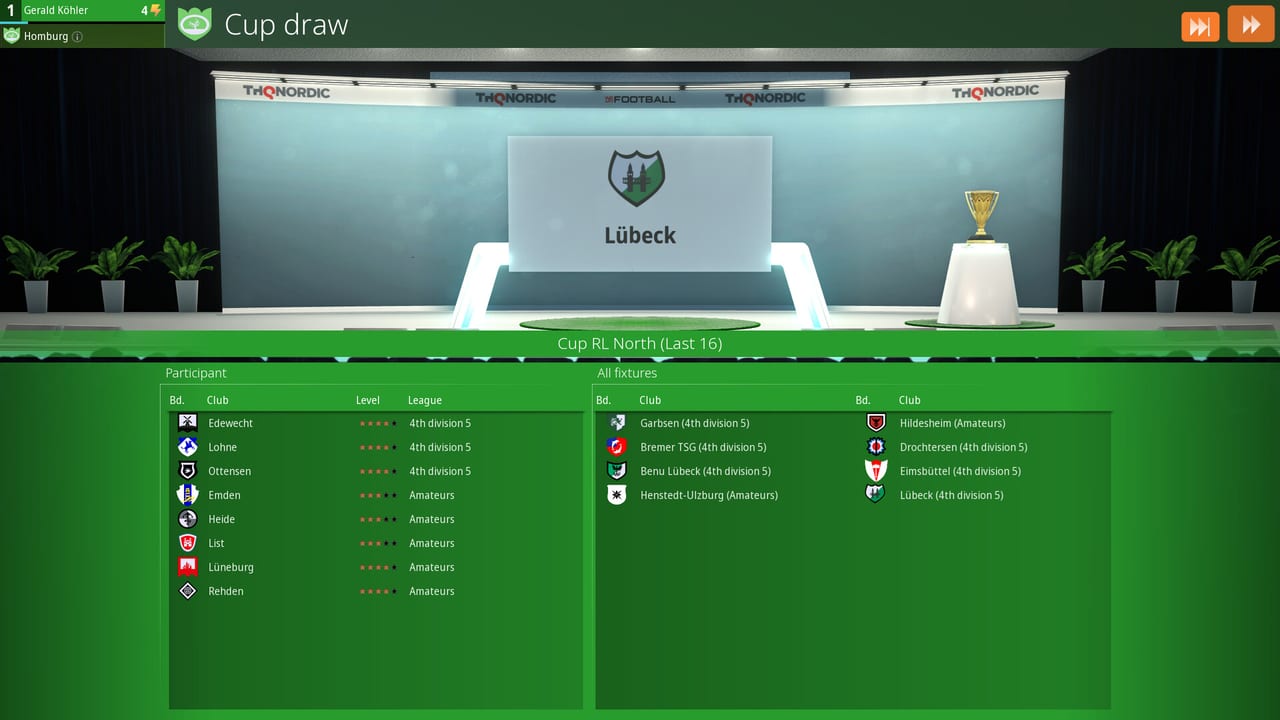
The Players Hub is your roster brain for WE ARE FOOTBALL 2027. Attributes matter, but so do personalities, team chemistry, hierarchy, hobbies, expected minutes, and the training trees that shape both your manager skills and player development. Use this overview to plan a coherent squad before you burn wages on mismatched egos.
Deep links: Tactics for formations that fit your roster, Transfers for multi-stage negotiations, and Getting Started if you are still choosing a first club.
What “good squad building” means here
A strong WAF27 squad is not eleven high ratings. It is:
- A clear tactical identity with enough players who can execute it
- Leaders and team players balanced against disruptive personalities
- Transparent expected playing time so bench unrest stays manageable
- Age structure that does not cliff in a single summer
- Academy and training pipelines that replace expensive market panic
Improved squad analysis shows age distribution and skill overviews; expanded profiles track personal titles and awards. Read those screens before every window.
Personalities and leadership
You can influence player personalities to grow leaders, team players, and other character directions over time. That is not flavour text—hierarchy and dressing-room tone feed chemistry and how groups react to rotation.
Practical habits:
- Identify one on-pitch leader and one cultural leader (they can be the same person).
- Avoid stacking multiple high-ego forwards who all expect “untouchable starter” minutes.
- Use personality work on promising academy grads early, while wage leverage is still on your side.
- In crisis C-tier saves from the Tier List Hub, prioritise characters who accept a grind over mercenaries chasing January exits.
National-team calls and individual awards can inflate egos; plan minutes before the international break, not after the press conference.
Chemistry, relationships, and hobbies
Team chemistry models relationships, hierarchy levels, and even hobby impacts. Treat chemistry as a constraint alongside stamina and form:
- Clique risk rises when you rotate leaders out without communication.
- Hierarchy clashes appear when a new signing arrives “above” established captains on wages or reputation.
- Friendly tournaments and tours can rebuild bonds—or exhaust a thin squad if you schedule poorly.
Wing menus (see Controls) help you keep chemistry and minutes visible while you tinker with the XI. If chemistry tanks after a tactical reboot, check whether the new Tactics ask players to perform roles their personalities hate.
Training trees and development plans
Individual skill development trees cover your own managerial growth and player careers. Modern training schedules support groups and long-term plans instead of one generic “shooting” slider for everyone.
Setup checklist:
- Split training groups by role and workload (starters vs development squad).
- Align drills with the playing style you actually use on matchday.
- Protect youth from endless senior physical sessions that stall technical growth.
- Revisit trees after position changes—wing-backs learning full-back defensive trees need different emphasis.
Accelerated weeks mean training decisions land faster. Do not set a plan in July and ignore it until May.
Youth academy and early talent
Youth systems include trial days, recruitment campaigns, boarding schools, and expandable international youth centres for earlier scouting. Generic AI portraits (12,000+) plus ageing youth faces keep the pipeline feeling alive even without licensed likenesses.
Academy tips:
- Run trials when your senior depth chart shows obvious holes two seasons out—not the week a starter gets injured.
- Expand international centres if you play the World database and want wider demographic intake.
- Give graduates honest expected minutes or loan pathways; parking them forever breeds unrest.
- Use in-game editors only for cosmetic name/portrait fixes—see Editor—not as a cheat to invent wonderkids mid-title race.
Club Creation and Career regional starts pair beautifully with academy-first philosophies: you grow the identity instead of buying someone else’s.
Minutes, wages, and the transfer link
Clear expected playing time displays help you promise what you can deliver. Multi-stage negotiations with reflection time and rival bids are covered on Transfers. From a squad-building angle:
- Never promise starter minutes to two players for one slot.
- Keep wage structure coherent so hierarchy does not break when a youngster outperforms a veteran.
- Welcome inbound requests from players who want to join—but still check personality fit.
- Direct actions on other clubs’ profiles are convenience tools; they do not replace scouting discipline.
Hotseat and shared squads
Up to four managers can share a hotseat world. Agree house rules for poaching academy prospects from each other’s clubs, and for how aggressive Creative Mode interventions may be. Chemistry stories are funnier when everyone respects the same personality rules.
Suggested reading order
- Getting Started — pick mode and first club archetype.
- This Players Hub — define roster philosophy.
- Tactics — match shape to available personalities.
- Transfers — execute the plan without wrecking wages.
- What’s New — stay current when training or negotiation systems patch.
Build squads that make sense on paper and in the dressing room. WAF27 rewards managers who treat characters as systems, not just attribute bags.
Frequently Asked Questions
Quick answers for managers starting WE ARE FOOTBALL 2027.
Can I change player personalities on purpose?
Yes. You can influence personalities over time to develop leaders, team players, and other character directions that feed chemistry and hierarchy.
What feeds team chemistry?
Relationships, hierarchy levels, hobbies, and how honestly you manage expected playing time. Tactical misfits and wage hierarchies can also stress the group.
How deep is the youth academy?
Features include trial days, recruitment campaigns, youth boarding schools, and expandable international youth centres for earlier talent discovery.
What are training trees?
Individual skill development trees for your managerial career and for players, supported by modern schedules and training groups tied to long-term plans.
Where should I go after planning a squad?
Lock a shape in Tactics, then execute deals via Transfers. New managers should also skim Getting Started.