WE ARE FOOTBALL 2027 Transfers & Negotiations
Multi-stage deals, rival snipes, clauses, and scouting with intent.
The transfer market in WE ARE FOOTBALL 2027 is built to feel alive. Multi-stage negotiations stretch across days or weeks with detailed contract parameters, reflection time, and competing offers. Rival clubs can swoop in mid-deal. Exit clauses can be bought back. Scouting speed and youth pipelines feed the shortlist. Every decision has weight because the process refuses to be a single yes/no button.
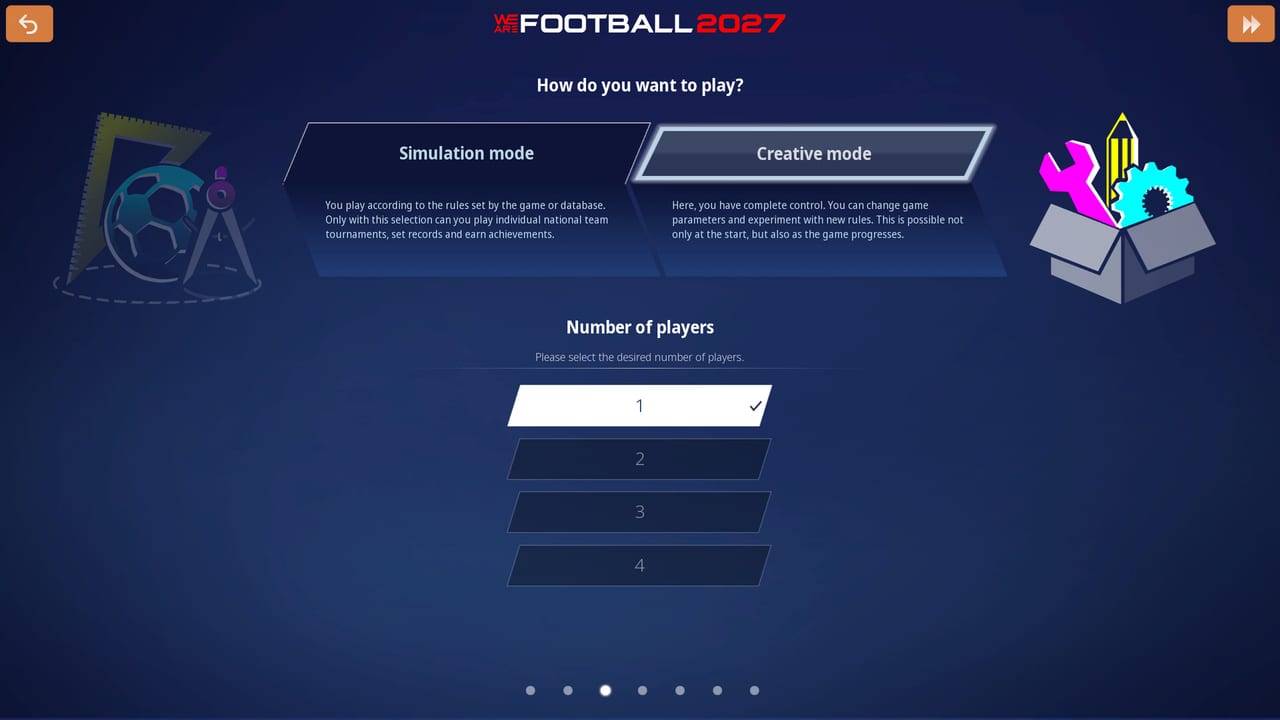
Pair this guide with Tactics so you buy for a plan, and with Getting Started if you are still learning the weekly loop. Creative parameters in Creative Mode can alter taxes, fee-age effects, and scouting tempo — know which universe you are negotiating in.
Scouting before shopping
Good windows start between windows. Use scouting to build shortlists by role, not by fame:
- Define the tactical problem (e.g., “left eight who can press and progress”).
- Set age and wage bands your board can swallow.
- Note personality targets if you need leaders or team players.
- Track expected playing time promises you can actually keep.
World database careers need discipline or you will drown in names across 200+ countries. Standard Europe-focused saves are denser in familiar leagues but still punish scattershot scouting. Convenience features around transfer lists help, yet they cannot replace a written shortlist of three names per priority.
Youth academy tools — trial days, recruitment campaigns, boarding options, and international youth centres — are transfer strategy by another name. A created club on a Club Creation climb should invest early here so the market is a spice rack, not the whole kitchen.
Multi-stage negotiations — how to think in chapters
Negotiations unfold over stages with room for reflection and competing bids. Treat each stage as a chapter:
- Approach / interest — confirm the player and club are realistically movable.
- Fee framework — structure payments you can survive if the sporting project stalls.
- Personal terms — wages, bonuses, role language, and length.
- Closing pressure — rivals appear; deadlines loom; your managerial negotiation skills matter.
Development updates have emphasised that stronger negotiation skills open better paths. Invest in your manager development tree if you live on the market. Do not schedule five final-stage deals to climax on the same simulated day unless you enjoy chaos.
Practical habits:
- Keep a fallback target warm so a rival snipe does not empty the position.
- Avoid public desperation in board messages when a deal slips — fans and players read the temperature.
- Use reflection time to re-check tactical fit and wage share, not to browse unrelated shiny objects.
Rival clubs can swoop — plan for interference
Rival intervention is a feature, not a bug. Assume attractive targets draw company. Protect deals by:
- Moving earlier than ego suggests.
- Keeping fee structures competitive without bankrupt bonuses.
- Maintaining squad harmony so sellers and agents do not smell panic.
- Having loan or free-agent contingency plans for the same role.
In hotseat worlds, talk before you snipe a friend’s priority target — or explicitly agree that the market is war. Remote Play Together nights end friendships over virtual eights faster than derbies do.
Exit clauses and buy-backs
Exit clauses create future plot twists. Buying back an exit clause is a strategic spend: you pay now to keep control later. Use buy-backs when:
- A breakthrough player just became the face of a regional cup climb.
- You expect bigger clubs to trigger movement after a breakout season.
- The clause price is a known landmine relative to your projected budget.
Conversely, leaving a clause in place can be acceptable if you already planned a sell-on arc and need the cash physics for stadium work. Be honest about which story you are writing.
When you sell, decide whether you want buy-back hooks, sell-ons, or clean breaks. Created clubs especially should avoid selling their only identity player without a replacement already in late negotiation.
Contracts are squad tactics
Wages, bonuses, and role promises feed chemistry and hierarchy. A high earner on the bench poisons expected playing-time displays. Before you close:
- Compare wage to current dressing-room bands.
- Align bonus structures with how you actually attack (do not pay huge clean-sheet bonuses to a chaos press side that concedes for fun).
- Check international duty risk if you also chase national-team stories.
Finances, sponsors, and membership growth all sit in the managerial portfolio. A transfer that looks cheap in fee can be expensive in wage drag when attendance dips after a poor autumn.
Window checklist
- Re-read lineup analysis weakness tags from tactics work.
- Freeze a shortlist of three per priority role.
- Sequence negotiations so finals do not collide.
- Budget clause buy-backs separately from new fees.
- Leave dry powder for injuries and rival snipes.
- Update training groups the week a signing lands so integration is not improvised.
Mode-specific transfer notes
- Career Mode — reputation gates some approaches; regional starts should favour fits over marquee names.
- Club Creation — early windows are culture-setting; one toxic high earner can define the club wrong forever.
- Creative Mode — if you retuned taxes, scouting speed, or age-fee effects, re-price your mental model before big bids.
- Spectator follow-ups — watch how AI clubs negotiate in your universe before you take a job there.
Common transfer mistakes
- Shopping without a tactical sentence explaining the purchase.
- Stacking personal terms that contradict expected minutes.
- Ignoring rival likelihood on obviously underpriced targets.
- Spending the clause buy-back budget on a vanity signing instead.
- Forgetting youth intake dates while panic-buying ageing depth.
Transfers in WE ARE FOOTBALL 2027 reward process managers. Scout narrowly, negotiate in stages, expect rivals, treat clauses as plot devices, and sign only players who speak your tactical language. Do that, and the market stops feeling like noise — it becomes another match you can win.
Frequently Asked Questions
Quick answers for managers starting WE ARE FOOTBALL 2027.
What are multi-stage negotiations?
Deals unfold over days or weeks with detailed parameters, reflection time, and room for competing offers instead of a single instant confirmation.
Can other clubs interrupt my deal?
Yes. Rival clubs can swoop during negotiations, so keep fallback targets and avoid clustering every final stage on one day.
What does buying back an exit clause do?
It spends resources now to remove or control a clause that could force or encourage a future departure.
How many players should I shortlist per position?
Aim for three realistic profiles per priority role so a failed stage or rival snipe does not empty your window plan.
Do Creative Mode settings change transfers?
They can. Parameters such as taxes, scouting speed, and age effects on fees alter market pressure even though negotiation stages remain.